
Arteriovenous Malformation: An Abnormal Blood Vessel Connection
Nerve and brain symptoms deserve careful attention because timing, location, and progression matter. Arteriovenous Malformation: An Abnormal Blood Vessel Connection explains arteriovenous malformation in a way that helps readers separate watchful follow-up from urgent warning signs.
This article is educational and should not replace diagnosis or treatment. Talk with a qualified clinician if symptoms are persistent, worsening, recurrent, painful, spreading, or interfering with daily life.
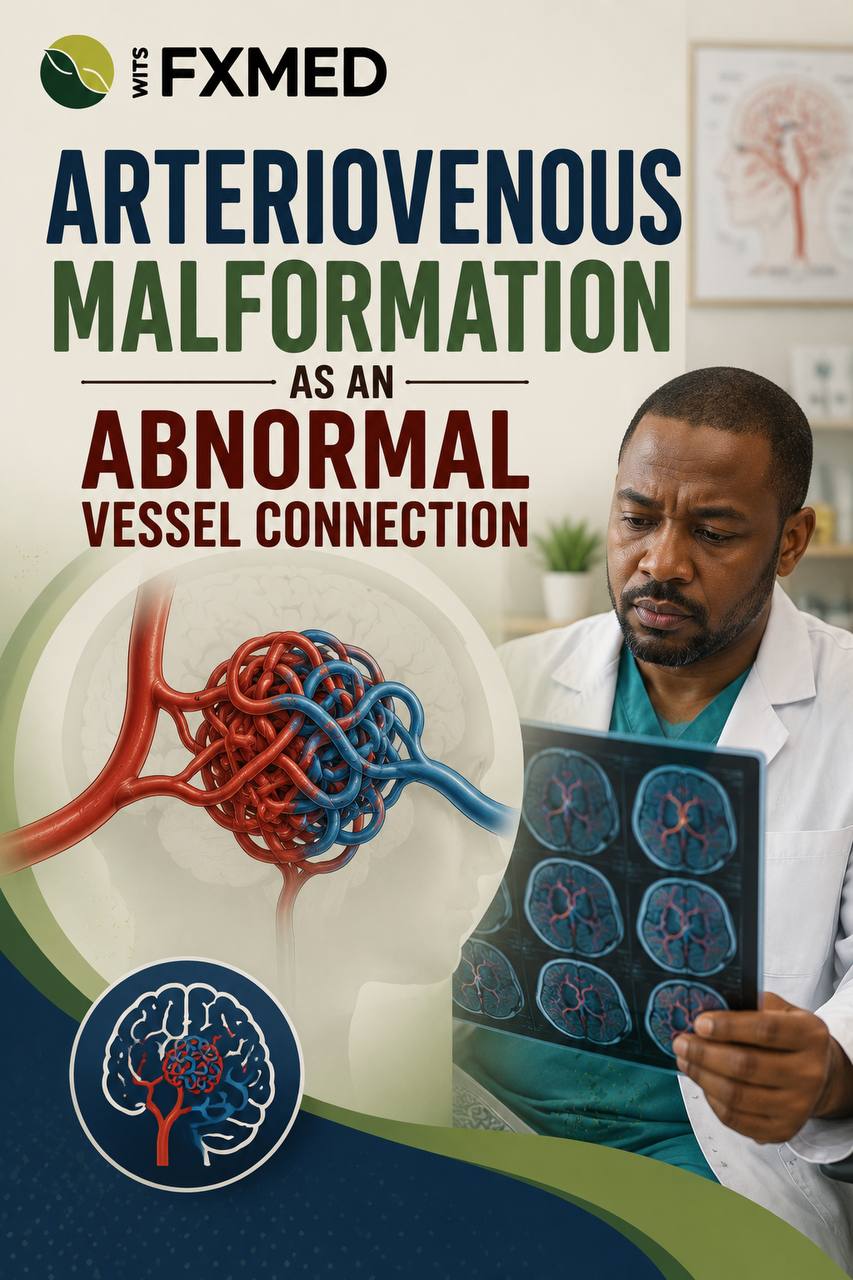
What to Know
Arteriovenous Malformation can affect people differently depending on age, medical history, medications, immune status, lifestyle, and how quickly symptoms appear. The goal is to notice the pattern early, understand the risk level, and avoid guessing when symptoms deserve clinical care.
Symptoms and Warning Signs
FXMed tip: If any of this sounds familiar, our Functional Health Analysis may be exactly what you need. Book a free assessment to find out where your health stands today.
- weakness, numbness, pain, facial droop, speech difficulty, vision change, coordination problems, altered awareness, or bladder/bowel changes
- symptoms that are sudden, one-sided, progressive, or linked with severe headache, fever, injury, or back pain
- functional changes that affect walking, gripping, speaking, seeing, hearing, or daily independence
A Functional Medicine Lens
At FXMed, a root-cause review of arteriovenous malformation considers nerve function, circulation, inflammation, posture, trauma history, sleep (see our sleep health guide), medication effects, metabolic health, and timely neurological evaluation. This does not replace urgent care, specialist care, or medication when needed. It helps organize the bigger picture so prevention, recovery, and follow-up are more personal.
Practical Next Steps
- Treat sudden neurological symptoms as urgent until proven otherwise.
- Track onset time, location, triggers, injury history, medications, and progression.
- Ask for assessment when symptoms persist, recur, or affect movement, speech, vision, bladder control, or safety.
How FXMed Can Help
FXMed supports patients with physician-led consultation, functional health analysis, lab review, nutrition and lifestyle planning, home-based care, and structured programs. If this topic connects with symptoms you are experiencing, the next step should be specific to your history and risk level.
Helpful FXMed Links
Related Reading
- Blood Test (see our guide to understanding your blood tests)s: Why 'Normal' Doesn't Always Mean Optimal
Ready to take action?
At FXMed, we go beyond symptom management. Our Home Visit Service and Virtual Consultation bring evidence-based functional medicine directly to you, anywhere in Lagos. Our Functional Health Analysis is designed specifically to address the root causes discussed in this article.
About the Author
FXMed Team
Related Articles
Pregnant? Here's What Your Antenatal Care Might Be Missing
Standard antenatal checks are important — but they don't catch everything. Functional maternal care ...
Your Hormones Are Trying to Tell You Something — Are You Listening?
Irritability, weight gain, irregular periods, low libido — these aren't personality flaws or just 'g...